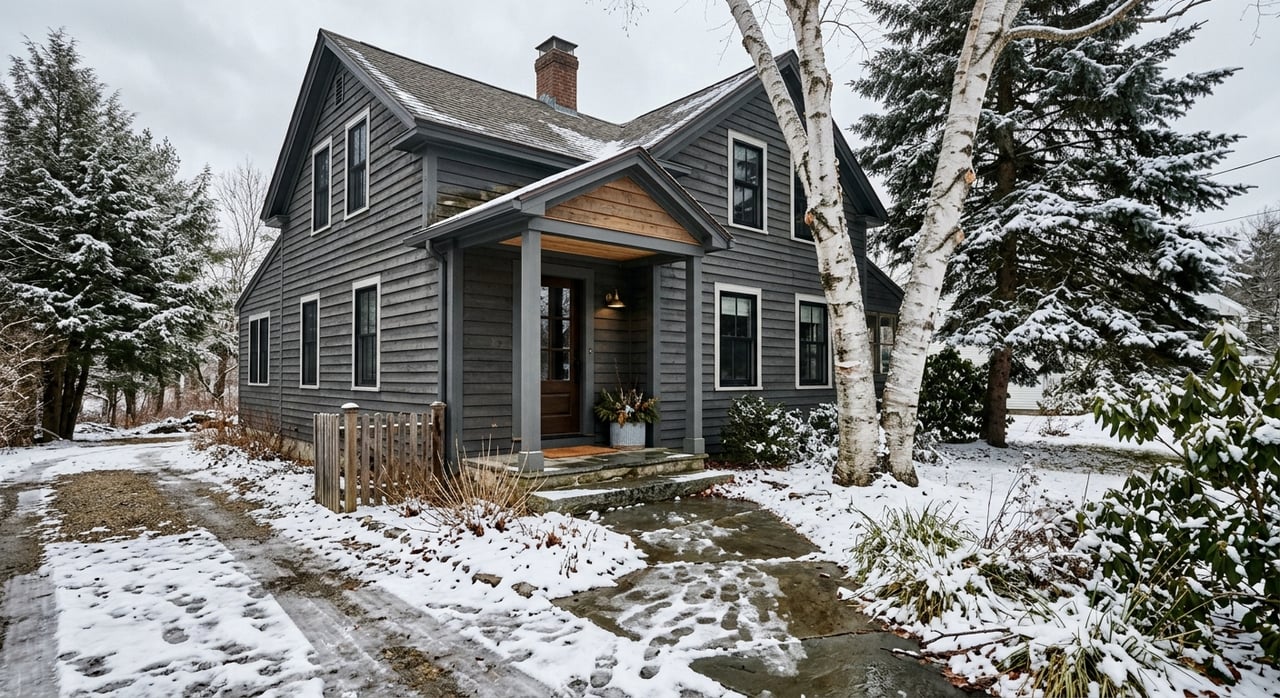
Wondering if an older home in North Anchorage is a smart buy? You are not alone. Many buyers are drawn to the character, location, and history of older homes in areas like Government Hill, Fairview, and Mountain View, but they also want to avoid expensive surprises. This guide will help you understand what kinds of homes you may find, what updates matter most in Anchorage’s climate, and how to approach inspections with confidence. Let’s dive in.
Why older homes stand out here
In Northeast Anchorage, older housing is closely tied to the city’s early growth. Government Hill, Fairview, and Mountain View all reflect different chapters of Anchorage history, from railroad-era housing to wartime growth and postwar development.
That history gives these neighborhoods a housing mix that often feels very different from newer construction. According to municipal housing inventory data cited in local municipal materials, 87% of Government Hill residential units, 77% of Mountain View units, and 56% of Fairview units were built in 1978 or earlier.
Older home types you may see
The age of the home often tells you a lot about its layout, design, and likely maintenance needs. In these North Anchorage areas, buyers can expect a mix of compact early homes, postwar ranch layouts, and later multifamily infill.
Early cottages and worker housing
In Government Hill and some of Anchorage’s older near-core areas, you may come across small cottages, log cabins, and compact worker homes tied to railroad or wartime development. These homes were built for practicality, so they often have smaller footprints and fewer rooms than newer homes.
That can be part of their appeal. You may get architectural character and a central location, but you may also find less storage, tighter room sizes, and a more segmented floor plan.
1950s and 1960s ranch homes
Postwar development brought more ranch-style homes and standard duplex designs. In Fairview, municipal planning documents note a mix that includes 1960s ranch-style single-family homes, duplexes, and four-plexes.
Government Hill also saw ranch homes replace some earlier temporary housing in the 1950s and 1960s. If you are shopping in this era, expect simpler layouts, practical room arrangements, and a design style that may have been updated in stages over the years.
1970s and 1980s multifamily infill
Mountain View saw more four-plex and multifamily construction as rezoning and population growth changed the neighborhood. If you are considering a property from this period, especially in denser corridors, the home may have a more rental-oriented history.
That does not automatically mean a problem. It does mean you should pay close attention to condition, maintenance history, and how major systems have been cared for over time.
What older floor plans mean for you
Older homes in Northeast Anchorage often trade square footage and open-plan design for character and location. Many have more defined rooms, less built-in storage, and a layout that reflects the needs of another era.
If you love charm, that may be a plus. If you need flexible entertaining space, oversized closets, or a large mudroom, you may need to adjust your expectations or budget for thoughtful improvements later.
Updates you may already find
Many older Anchorage homes have seen at least some modernization. The most common visible upgrades buyers are likely to encounter include newer windows, improved insulation or air sealing, updated heating equipment, and better ventilation.
In Alaska, those upgrades matter. University of Alaska Fairbanks Cooperative Extension guidance notes that double- or triple-glazed windows are generally appropriate for this climate, and that roof and attic ventilation can help reduce condensation and ice-dam risk.
Still, partial updates are common. A home may look polished on the surface while older components remain in the attic, crawlspace, foundation, or mechanical systems.
Anchorage climate issues to watch closely
In an older home, the biggest concerns are often not the cosmetic ones. Anchorage’s climate makes moisture control, energy performance, and structural durability especially important.
Insulation and air sealing
Alaska Housing Finance Corporation says insulation and air sealing improvements can reduce heating costs by 30% or more. In an older home, this makes the attic, wall performance, doors, windows, and other air leakage points worth extra attention.
If a home feels drafty or has uneven temperatures, that does not always mean it is a bad house. It may mean you need a clearer picture of what efficiency work has already been done and what still needs attention.
Attic ventilation and ice dams
Ice dams are a major cold-climate concern. AHFC explains that ice dams form when heat escapes into the attic and melts roof snow, and that air sealing between the house and attic is the most important step for prevention.
That means a newer roof alone does not tell the whole story. You also want to understand attic insulation, ventilation, and whether heat is escaping into the roof system.
Foundations and winter movement
UAF Cooperative Extension guidance notes that foundations should be properly insulated and reinforced, and that closed-in foundations and heated buildings help reduce winter heaving and settlement. In an older Anchorage home, foundation condition deserves careful review.
Small signs like uneven floors, moisture issues, or evidence of movement are worth taking seriously. These are the kinds of findings that should lead to follow-up by the right specialist.
Heating system performance
In a cold market like Anchorage, heating is not just a comfort issue. It is a major operating-cost issue too. Older homes may have updated heating equipment, but buyers should still confirm that the system is balanced, working properly, and serviceable by a local contractor.
A stylish remodel does not always mean the mechanical systems got the same attention. It is smart to look past paint, fixtures, and finishes and ask how the home performs in winter.
Why inspections matter even more
For older homes, due diligence is everything. Alaska regulates home inspectors through the Department of Commerce, Community, and Economic Development, and state law defines a home inspection as a visual examination of readily accessible parts of the home.
That includes systems and components such as heating and air conditioning, plumbing, electrical systems, roofs, attics, insulation, walls, floors, foundations, basements, and visible interior and exterior structures. The inspector must provide a written report.
Think of the inspection as a first step
A home inspection is important, but it is not the final word on every issue. State guidance makes clear that further evaluation by qualified tradespeople or contractors may be needed to determine corrective action.
That is especially important in older homes that have had several remodel phases or additions. If the inspection flags concerns with roofing, drainage, foundation performance, heating, plumbing, or electrical work, follow-up matters.
Questions to ask during due diligence
When you tour or inspect an older home in Northeast Anchorage, keep these practical questions in mind:
- What era was the home built in, and does the floor plan match that period?
- Which updates appear cosmetic, and which involve major systems?
- Have the windows, insulation, or air sealing been improved?
- What does the attic ventilation look like?
- Are there signs of ice-dam issues, moisture, or condensation?
- Has the heating system been updated and maintained?
- Are there concerns in the crawlspace, basement, or foundation?
- Did additions or remodels create any visible transitions or performance issues?
Balancing character and maintenance
Buying an older home in North Anchorage is often a tradeoff in the best sense of the word. You may get personality, established surroundings, and a layout that feels distinct from newer construction.
In return, you should be ready for a little more scrutiny and, in some cases, a little more maintenance. The goal is not to avoid older homes. The goal is to understand them clearly so you can buy with confidence.
How a local guide helps
Older homes are rarely one-size-fits-all. A compact cottage in Government Hill, a ranch home in Fairview, and a multifamily property in Mountain View can all require a different lens.
That is where neighborhood-level knowledge matters. When you understand the home’s era, likely update pattern, and Anchorage-specific performance issues, you can make better decisions and avoid focusing only on surface appeal.
If you are thinking about buying an older home in Northeast Anchorage, working with a brokerage that understands Anchorage’s housing history and practical buying considerations can make the process feel much more manageable. To start your search with local insight, connect with RE/MAX Dynamic Properties.
FAQs
What kinds of older homes are common in Northeast Anchorage?
- In areas like Government Hill, Fairview, and Mountain View, you may find early cottages, railroad or wartime worker housing, 1950s and 1960s ranch homes, duplexes, four-plexes, and later multifamily infill.
What should you look for when buying an older home in Anchorage?
- Focus on insulation, air sealing, attic ventilation, signs of ice dams, foundation condition, heating system performance, and whether updates were cosmetic or system-level improvements.
Why is energy efficiency important in an older Anchorage home?
- In Anchorage’s climate, energy efficiency affects both comfort and cost, and AHFC says insulation and air sealing improvements can reduce heating costs by 30% or more.
What does a home inspection cover in Alaska?
- Under Alaska law, a home inspection is a visual examination of readily accessible components including roofing, attics, insulation, heating, plumbing, electrical systems, walls, floors, foundations, basements, and visible interior and exterior structures.
Should you get specialist follow-up after a home inspection in Anchorage?
- Yes. If the inspection finds concerns with roofing, drainage, heating, electrical, plumbing, or foundation performance, qualified specialists may be needed to evaluate repair options more fully.