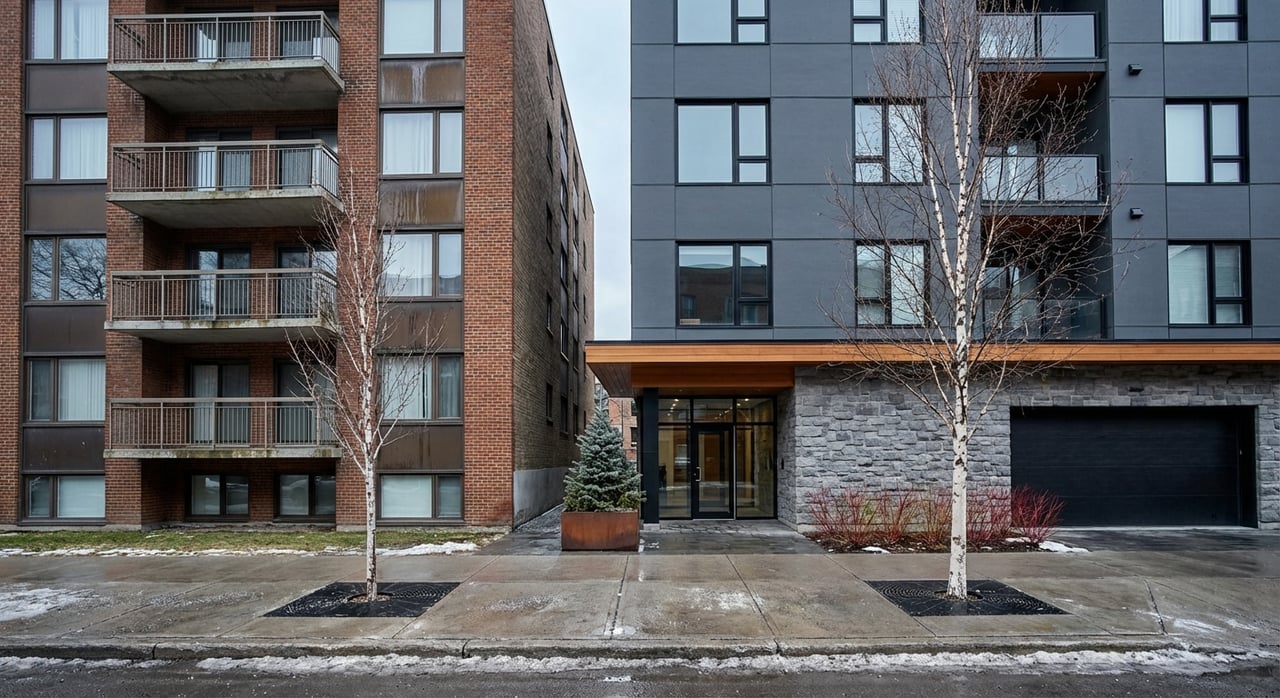
Trying to decide between a downtown condo where you can walk to dinner and a Midtown home base with easy parking? You want the right balance of lifestyle, commute, and monthly costs. In this guide you’ll compare walkability, commute access, condo types, parking, HOA dues, and price signals using current Anchorage references. Let’s dive in.
Quick take: Downtown vs. Midtown
- Walkability and nightlife: Downtown is the most walkable, activity‑dense core with more evening and weekend options. Midtown is more mixed‑use and car‑oriented, though still walkable in parts according to Walk Score data.
- Commute and offices: Downtown clusters major office towers and many government offices, which shortens walks to work. Midtown often sits closer to hospitals and large employers. The Alaska State Office Building and Atwood Building anchor downtown’s office scene.
- Parking and driving: Downtown units often rely on street or shared garage parking. Midtown complexes more commonly include carports or assigned spaces and have easier daytime parking.
- Buildings and HOAs: Downtown has more mid‑century towers with studios and 1‑beds, often with lower dues. Midtown skews to 1970s–1980s garden or mid‑rise buildings with larger floor plans and, in many cases, higher HOA dues.
- Price signal: Reported “median” prices vary by source due to different neighborhood boundaries and product mixes. Example summaries show Downtown around $217,000 and Midtown around $285,000 on one neighborhood page, while another page reported a Downtown median near $174,000 in a different period. Always use local MLS comps for a specific building.
Everyday life and location
Walkability and culture
If you want a lively urban setting, downtown delivers. You can walk to restaurants, galleries, and main cultural venues like the Anchorage Museum at Rasmuson Center, highlighted here on a family events page about the Anchorage Museum. The Alaska Center for the Performing Arts and convention events keep the core active beyond business hours.
Downtown also edges the Tony Knowles Coastal Trail, making bike rides and walks easy from many buildings. The trail overview on Rails‑to‑Trails explains why the Tony Knowles Coastal Trail is a signature Anchorage experience.
Driving and retail access
Midtown spreads out with larger retail centers and broad arterial roads. If you prefer to drive, you will likely find easier daytime parking and faster in‑and‑out errands. You will still be a quick cruise to coastal trailheads and downtown venues for evenings and weekends.
Condo buildings and HOA expectations
Typical buildings and features
- Downtown: Many buildings date from the 1950s to 1970s, with studios and one‑bedrooms common. You will find elevators and shared laundry in older properties, while newer infill adds garage parking, updated systems, and larger kitchens.
- Midtown: Many complexes are 1970s–1980s garden or mid‑rise styles with two or more bedrooms, often exterior walkups, in‑unit laundry, storage, and assigned carports or garage spaces.
What HOA dues often cover
HOA coverage varies by building, but dues in Anchorage commonly include exterior maintenance, snow removal, common‑area insurance, some utilities like heat or water, and reserves. A national explainer on what HOA fees cover breaks this down clearly; see this overview of what HOA fees pay for. Always request the current budget, reserve study, and 3 to 5 year capital plan for the building you are evaluating.
Parking realities to plan for
- Downtown: Many condos include one assigned or shared space, and some have none. If you keep two cars, you may need to arrange a second space in a municipal garage or rely on street and metered parking.
- Midtown: Assigned carports or surface spaces are more common and reduce winter shoveling and snow‑storage hassle. The tradeoff is that buildings with covered parking and more amenities may carry higher dues.
Price and example units
Pricing depends on building age, size, amenities, and parking. Reported neighborhood medians can swing because providers draw different boundaries and mix condos with other home types. Use building‑specific MLS comps for precise guidance. Here are illustrative snapshots from recent listing data:
- Entry‑level downtown studios and 1‑beds: A unit at Turnagain Arms closed around $99,000 in Oct 2024, with a listed HOA near $197 per month on that example. Older downtown buildings often include heat or basic utilities in dues.
- Mid‑range urban condos with parking: Park Place Condominiums near downtown features larger 2 to 3 bed units, elevators, and enclosed garage spaces. Dues on recent examples range in the several hundreds to about $800 per month for larger units.
- Typical Midtown 2‑beds: Midtown garden‑style complexes from the 1980s often show HOA ranges around the high $300s to $500+ per month, frequently including heat, trash, and snow removal.
- Newer or luxury downtown builds: New construction or luxury projects can list far above the older‑building median and may shift small‑sample neighborhood medians upward.
Which area fits your goals
Choose Downtown if you want
- A short walk to offices, courts, and many state or corporate workplaces.
- Evening and weekend access to restaurants, the Anchorage Museum, and performing arts venues without driving.
- A smaller, simpler footprint that keeps monthly dues and upkeep straightforward.
- Quick access to the Tony Knowles Coastal Trail from trailheads near the urban core.
Choose Midtown if you want
- More square footage for guests, work‑from‑home space, or gear storage.
- Assigned parking or carports and generally easier daytime driving.
- Proximity to hospitals, medical campuses, and larger retail centers.
- A condo community feel with garden‑style layouts and convenient surface parking.
How to compare two specific condos
Use this short checklist to verify what matters most to your monthly costs and daily comfort:
- Ask for the HOA’s current budget, reserve study, and 3 to 5 year capital plan so you know what dues cover and what projects are coming. Review this guide to what HOA fees pay for.
- Confirm parking details, including whether spaces are deeded or assigned, guest parking rules, and winter snow removal practices.
- Check meeting minutes for any special assessments or major projects like roofs, elevators, or system upgrades.
- Match unit size and layout to your lifestyle. Downtown concentrates studios and 1‑beds; Midtown and some larger downtown complexes offer more 2+ bed options.
- Verify the HOA master insurance policy and what interior items you must insure personally.
What this means for your budget
Expect lower entry prices in older downtown buildings, especially for studios and smaller 1‑beds, with dues that can be modest when amenities are simple. Midtown often delivers more space and assigned parking, with dues that can run higher because they commonly include heat, utilities, covered parking upkeep, and larger common areas. Because published medians vary by source and timeframe, let building‑level MLS comps guide your final expectations.
Ready to compare specific buildings, review HOA documents, and line up apples‑to‑apples comps? Connect with the local team at RE/MAX Dynamic Properties to map options to your lifestyle and budget.
FAQs
What are typical HOA dues for Anchorage condos?
- Recent examples show older downtown units in the roughly $197 to $385 per month range, while many Midtown 2‑beds run about $390 to $510+ per month. Larger downtown complexes with garages can be several hundred dollars to around $800 per month.
Do Downtown Anchorage condos usually include parking?
- Many include one assigned or shared space, but some have none. If you have two cars, plan for a deeded garage space, a municipal garage pass, or street and metered parking.
Is Midtown better if I work at a hospital?
- Often yes. Midtown contains notable medical campuses and related offices, which can shorten your commute compared with living downtown.
How does walkability compare between Downtown and Midtown?
- Downtown is the most walkable and activity‑dense area. Midtown is more car‑oriented overall but remains “very walkable” in parts per Walk Score data.
Why do different sites show different condo price medians?
- Providers define neighborhood boundaries differently and may mix condos with other home types or use short timeframes. Small sample sizes in central areas can also swing medians. Building‑level MLS comps give the clearest picture.