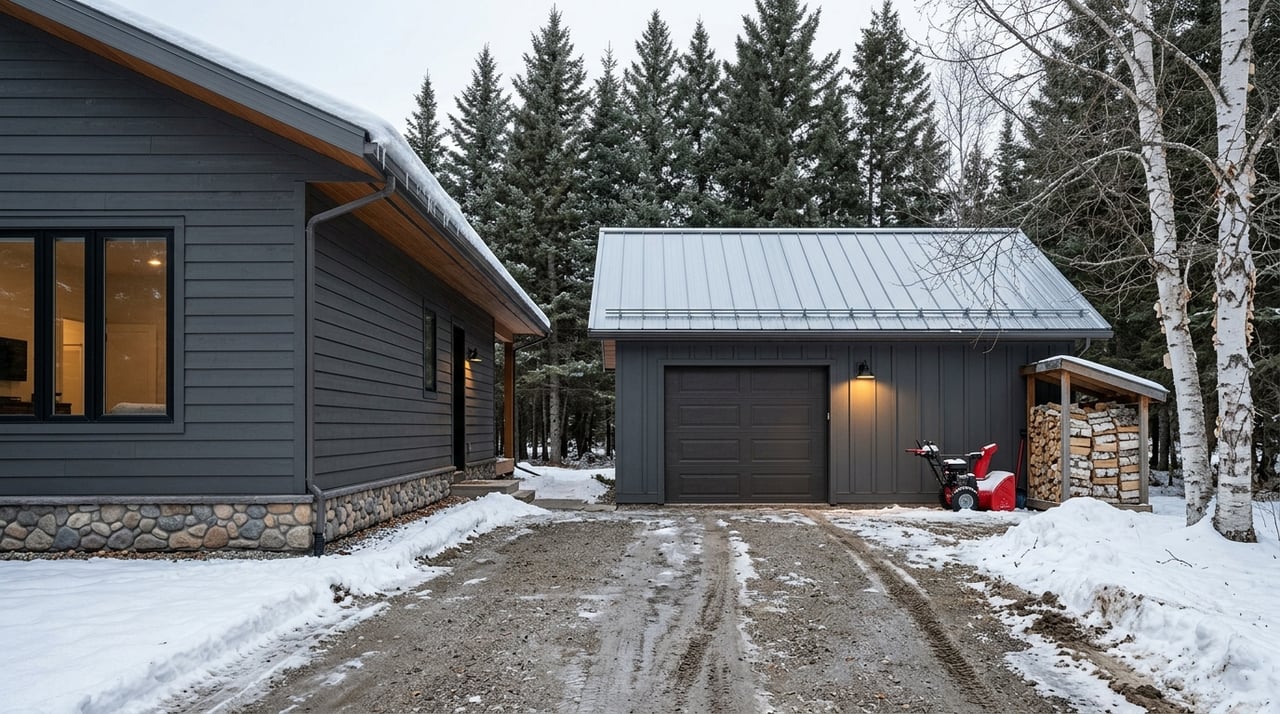
If you are dreaming about more space, more trees, and a little more breathing room, acreage living in Chugiak and Eagle River can sound like the perfect fit. But bigger lots come with a different daily rhythm than a typical suburban property, especially when snow, wells, septic systems, and wildlife are part of the picture. This guide will help you understand what life on acreage really looks like here so you can make a more confident move. Let’s dive in.
What Acreage Living Means Here
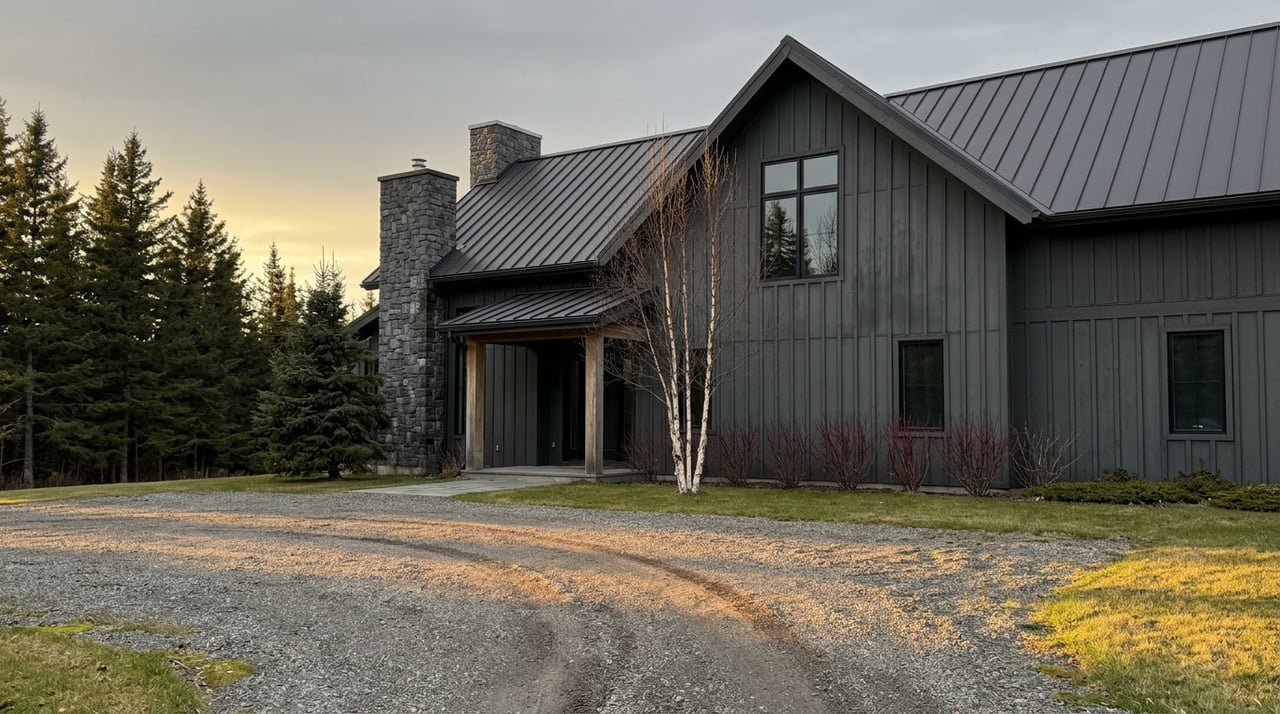
In Chugiak and Eagle River, acreage living often means a rural or semi-rural setting with one-acre or larger lots, more separation between homes, and a stronger connection to the natural landscape. The Chugiak-Eagle River Comprehensive Plan describes many neighborhoods as larger-lot areas shaped by limited public infrastructure, environmental constraints, and a lower-density development pattern.
That said, acreage here does not always mean remote. Some parts of the area feel more suburban, especially closer to the Eagle River core and in locations with public water and sewer service. In practical terms, you may get more privacy, more storage space, and more room for outdoor use without feeling cut off from daily conveniences.
How Chugiak and Eagle River Differ
One of the biggest differences between Chugiak-Eagle River and more suburban parts of Anchorage is scale. Anchorage Bowl zoning districts such as R-1A are designed around smaller lots and more fully developed municipal services, while Chugiak and Eagle River follow a different land-use pattern with more large parcels and mixed utility setups.
That distinction matters when you are comparing homes online. A property with acreage may offer space for a detached shop, greenhouse, firewood storage, or extra vehicles, but it may also require more hands-on ownership than a smaller in-town lot. The tradeoff is usually simple: more elbow room, more responsibility.
Snow and Road Maintenance Matter
Winter maintenance is one of the first things to think about before buying acreage. The Chugiak/Birchwood/Eagle River Rural Road Service Area covers more than 350 lane miles, with main and collector roads generally plowed after about 2 inches of snow and side streets after 4 inches.
Even with road service, property owners still handle important cleanup tasks. You are responsible for clearing snow berms at your driveway and mailbox, which can be a bigger job on a long driveway or a lot with multiple access points. If you are used to a compact city lot, this is one of the clearest lifestyle shifts.
What to expect in winter
- Longer driveways can mean more time spent plowing or shoveling
- Mailbox and driveway berms still need owner cleanup after road plowing
- Side streets may be cleared later than main routes
- Multiple outbuildings or parking areas can add to snow management needs
Utilities Are Mixed, Not One-Size-Fits-All
Acreage properties in this area are not all off-grid, and they are not all connected to the same public services either. The Municipality lists Anchorage Water and Wastewater Utility and Matanuska Electric Association among providers serving Chugiak-Eagle River, but utility patterns vary by neighborhood and parcel.
That means one property may have municipal utility connections, while another may rely on a private well and septic system. If you are shopping for acreage, it is worth looking beyond square footage and lot size to understand exactly how the home is served.
Wells Need Active Ownership
If a home has a private well, water quality oversight is part of ownership. The Alaska Department of Environmental Conservation says private well owners are responsible for sampling and testing their own water, and the state does not test private wells.
For buyers, that means due diligence is important before closing and after move-in. A private well can work well for acreage living, but it is not a set-it-and-forget-it feature. You should understand testing responsibilities, system condition, and any local requirements that apply.
Septic Systems Need Review Too
Septic systems deserve the same level of attention. According to the Alaska DEC guidance for buying a home with septic, buyers should review system records, including the septic system’s age, size, and location.
The state notes that properly designed and maintained septic systems can last 20 years or more, but deferred maintenance can shorten that life. On acreage, this is a major part of understanding long-term ownership costs and future planning.
Smart buyer questions for wells and septic
- Is the property served by a private well, municipal water, or another setup?
- Are septic records available for review?
- What is the age of the septic system?
- Where are the septic components and any reserve areas located?
- Has the well been tested recently?
Future Development Has Limits
If you are imagining acreage as a future split, guest structure plan, or long-term development opportunity, it is important to understand that larger land does not automatically mean easy expansion. The Municipality’s subdivision plan review requirements for on-site water and wastewater systems include soil testing, groundwater monitoring, reserve disposal areas, and a minimum lot size of 40,000 square feet within lot lines.
In other words, development potential depends on more than raw acreage. Site conditions, wastewater planning, and local review standards all play a role. A large parcel may offer flexibility, but buyers should avoid assuming every future idea will be simple to approve.
Outbuildings Add Flexibility
One reason buyers are drawn to acreage is the functional space it creates. Detached garages, sheds, greenhouses, barns, and similar structures can make daily life easier, whether you need room for tools, recreation gear, storage, or hobby uses.
Still, these structures are regulated. The Municipality’s accessory building rules explain that outbuildings are allowed in many cases, but setbacks and placement rules still apply. That means lot size helps, but planning and code compliance still matter.
Animals May Be Possible
For some buyers, acreage is less about the house and more about what the land allows. If you are interested in chickens or larger domestic animals, acreage can open up more options, but it does not remove zoning rules.
The Municipality’s animal guidance notes that allowances depend on lot size and that animal structures must still meet setback requirements. The big takeaway is that acreage can support small-homestead goals, but each property should be evaluated for what is actually permitted.
Wildlife Is Part of Daily Life
Privacy, trees, and a natural setting are a big part of the appeal here, but wildlife is part of that same environment. The Municipality provides wildlife safety information for bears and moose, and the Eagle River Nature Center area sits near the northeast side of Chugach State Park, where wildlife sightings are part of the landscape.
An Alaska Department of Fish and Game planning report also notes that large lots and dense vegetation in Eagle River and Chugiak can allow bears to move through neighborhoods without being easily seen. So while acreage can feel peaceful and private, it also calls for day-to-day awareness.
Wildlife awareness on acreage
- Store trash and outdoor attractants carefully
- Stay alert around wooded areas and brushy lot edges
- Know basic safety guidance for moose and bears
- Remember that quiet, low-density neighborhoods can still be active wildlife corridors
Community Still Plays a Big Role
Acreage living here is often described as quiet, but not isolated. The Municipality identifies six community councils in Chugiak-Eagle River, and the road board for the area includes representatives from those councils, according to this municipal community council report.
That local structure reflects something many buyers appreciate once they move here. You can have more space and a more rural feel while still being connected to an established community with local parks, trails, and shared public services.
Is Acreage Living Right for You?
Acreage in Chugiak and Eagle River can be a great fit if you want more land, more flexibility, and a setting that feels more open than a standard suburban lot. It can also be a smart option if you value room for outbuildings, extra vehicles, outdoor gear, or certain animal uses that may be harder to accommodate on a smaller parcel.
The key is to go in with clear expectations. The same features that make acreage attractive also bring more owner responsibility, especially around snow removal, property upkeep, utilities, and wildlife awareness. When you understand those tradeoffs, you are in a much better position to choose the right property for your lifestyle.
If you are exploring acreage homes in Chugiak or Eagle River, working with a local team can help you compare properties beyond the listing photos and lot size. Connect with RE/MAX Dynamic Properties to find the REALTOR® who’s right for you.
FAQs
What does acreage living in Chugiak and Eagle River usually mean?
- It usually means a rural or semi-rural setting with larger lots, more separation between homes, more tree cover, and a mix of public and private utility setups depending on the property.
What should buyers know about snow removal on acreage in Eagle River and Chugiak?
- Public road plowing helps, but owners are still responsible for clearing driveway and mailbox berms, and longer driveways can add significantly more winter maintenance.
What should buyers check about wells on Chugiak and Eagle River acreage properties?
- Buyers should confirm whether the home uses a private well, review available records, and understand that private well owners are responsible for water sampling and testing.
What should buyers review about septic systems on acreage properties in Chugiak and Eagle River?
- Buyers should review septic records, including the system’s age, size, and location, because maintenance history can affect remaining system life.
Can you have outbuildings or animals on acreage in Chugiak and Eagle River?
- In many cases, yes, but accessory buildings and animal uses still need to follow lot-size rules, setbacks, and other municipal requirements.
Is acreage living in Chugiak and Eagle River isolated from the community?
- No, many acreage areas offer more privacy and space while still being part of organized local communities with councils, parks, trails, and shared services.