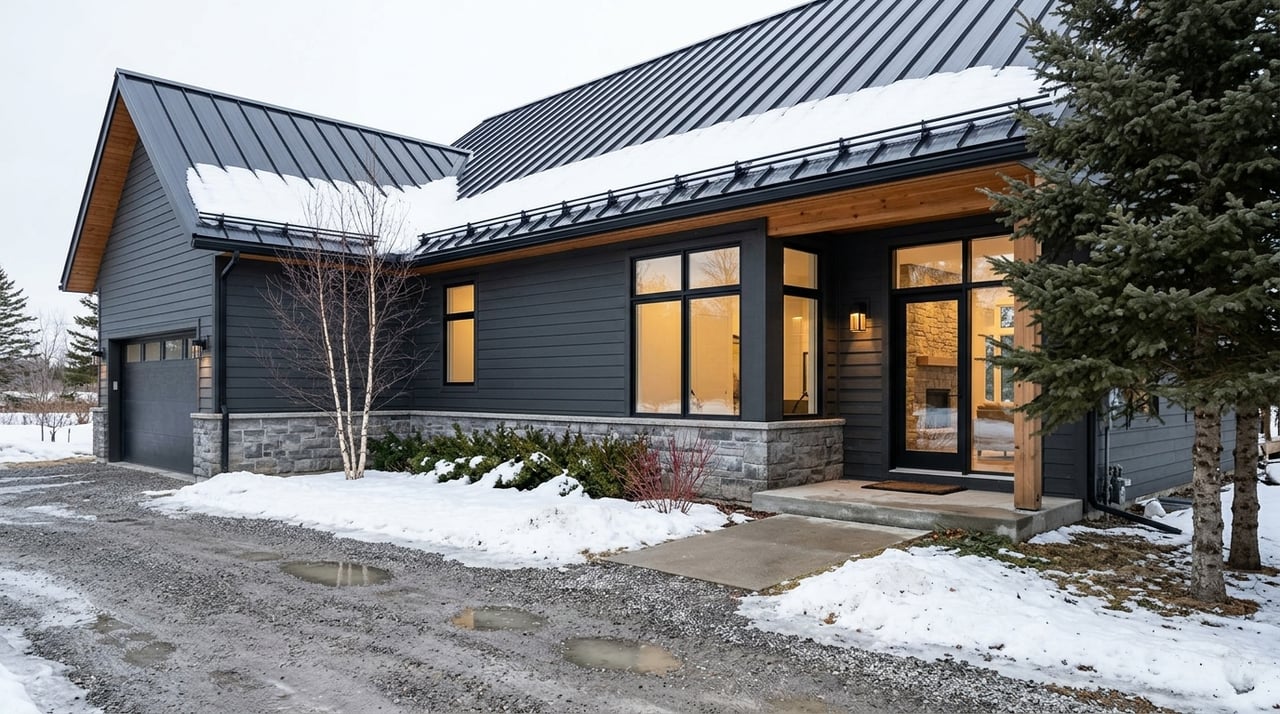
Wondering if you should list your Anchorage home now or wait for a better season? That question matters more here than it does in many other markets because Anchorage’s daylight, weather, and breakup conditions can change how your home looks and how easy it is to show. The good news is that there is no one-size-fits-all answer, and the best timing often comes down to your home’s condition, your goals, and how prepared you are to present it well. Let’s dive in.
Why season matters in Anchorage
Anchorage has a dramatic swing in daylight over the course of the year, and that affects everything from listing photos to evening showings. According to the Alaska Climate Research Center daylight data, Anchorage gets about 5:39 of daylight at the start of January, compared with 16:13 at the start of May, 18:44 in June, and 19:12 in July. More daylight usually means easier scheduling, brighter photography, and stronger exterior presentation.
That does not mean winter is a bad time to sell. It does mean that in darker months, your pricing, preparation, and online presentation need to do more of the heavy lifting. Since many buyers start their search online, your photos and marketing matter in every season, but they matter even more when weather and daylight are less forgiving.
List when your home is ready
If you are waiting for a perfect date on the calendar, you may be focusing on the wrong thing. The stronger rule of thumb is to list when your home is market-ready, especially because current Anchorage data still show active demand.
Redfin’s Anchorage housing market data reported a February 2026 median sale price of $425,000, median days on market of 33, and two offers on average. The same report also supports the idea that buyers are active even in late winter, which means you may not need to delay if your home is already cleaned, repaired, and professionally presented.
Winter selling in Anchorage
Winter challenges
Winter is usually the slowest part of the year for home sales on a national level. The National Association of REALTORS® seasonal market analysis notes that December through February is typically the slowest period, with homes taking longer to sell than in spring and early summer.
In Anchorage, short daylight can add another challenge. Exterior photos are harder to time, evening showings can feel darker, and snow and ice can affect access and curb appeal. That means buyers may form their first impression online before they ever step inside.
Winter advantages
Even with those challenges, winter can still work in your favor. There is often less competition, and serious buyers are still in the market. If your home is well prepared and priced thoughtfully, you may benefit from less crowded inventory.
If you need to move on a winter timeline, the key is not to assume you missed your chance. Instead, focus on what you can control: clear walkways, bright interiors, strong photos, and a clean, polished presentation.
Breakup season needs extra care
Why breakup affects first impressions
In Anchorage, breakup season is usually mid-March through April, and it can be the toughest stretch for curb appeal. The Municipality of Anchorage notes that this period can bring mud, grit, dust, and elevated particulate matter concerns.
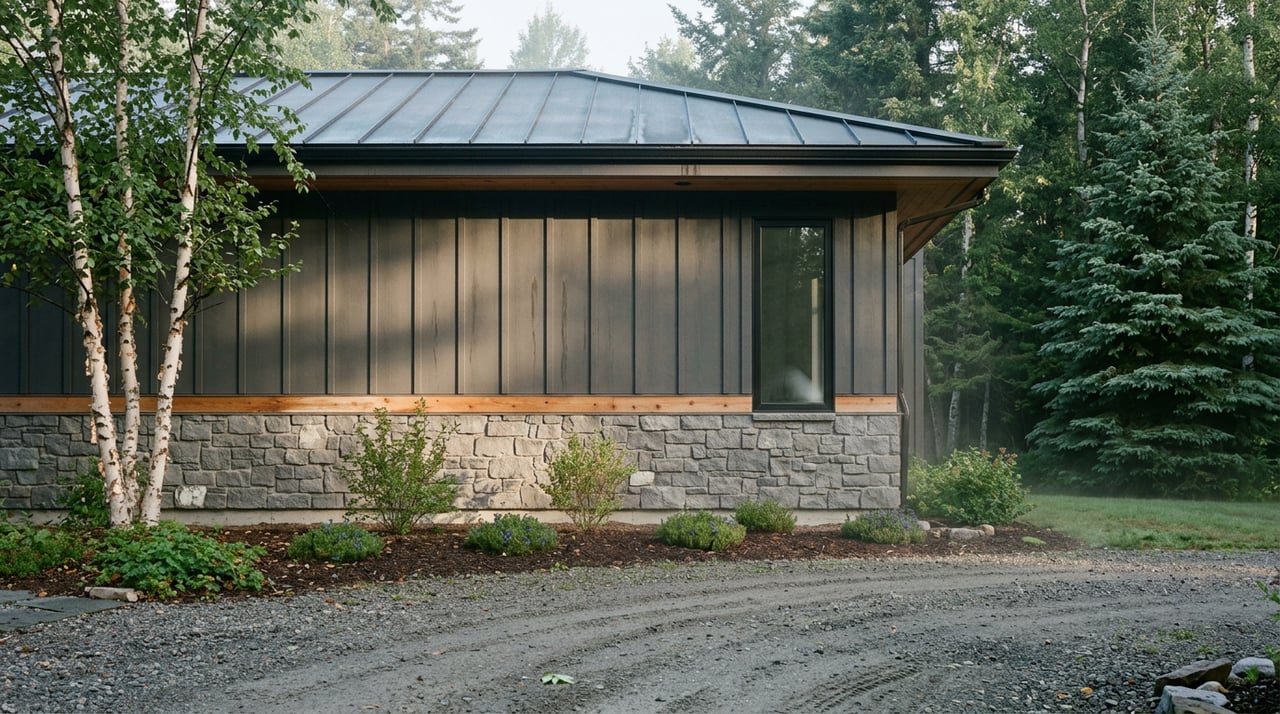
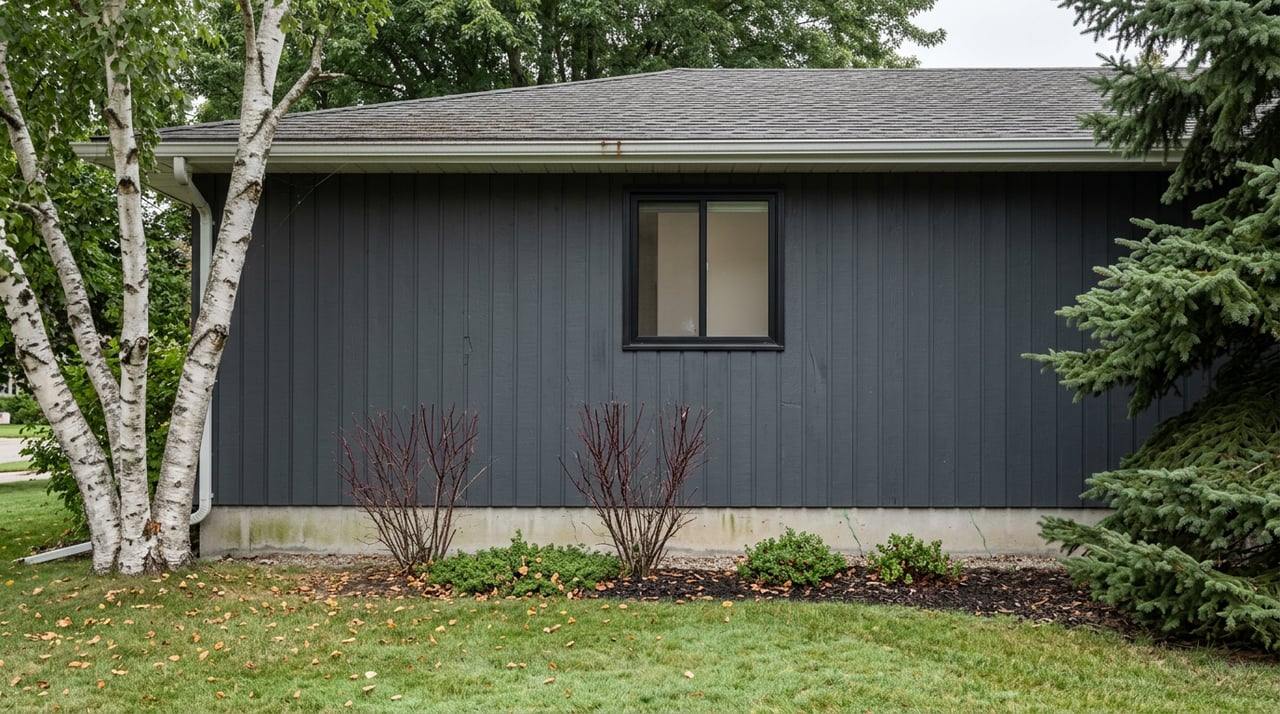
For sellers, that creates a practical issue. Driveways, yards, siding, and entryways can look messy even when the home itself is in solid condition. If buyers see muddy approaches or dusty exterior surfaces, the home may feel less polished at first glance.
When waiting makes sense
This is one of the few times of year when waiting a little longer can be smart if the exterior is not ready. If your yard is saturated, your driveway is muddy, or your exterior needs cleaning, holding off until conditions improve may help you make a better first impression.
Late spring is often a stronger compromise. You can get more daylight, cleaner exterior conditions, and the seasonal lift in buyer activity that usually comes with spring.
Late spring and early summer are often ideal
Why this window stands out
If your goal is the most forgiving season for presentation, late spring into early summer is usually the sweet spot. You get longer daylight hours, easier exterior photography, and better conditions for showing outdoor spaces.
That timing also lines up with broader seasonal demand trends. The NAR seasonal perspective shows that spring and early summer are typically the strongest selling window nationally, with faster sales than winter.
Anchorage-specific benefits
Anchorage’s long summer days are a major advantage. Those extra hours make it easier to schedule showings after work, capture natural-light photos, and present decks, yards, driveways, and entryways at their best.
Summer also overlaps with Alaska’s busiest visitor period. The Alaska Visitor Volume Report found that 87% of annual visitors arrived in summer 2023-24, and Anchorage hotel occupancy reached 84% in summer 2023 compared with 60% in winter 2023-24. That does not guarantee a sale, but it does support the idea that summer is a more active and crowded season overall.
Late summer and fall can still work well
Timing around school schedules
Late summer can be a practical time to sell, especially for households trying to move before routines settle into place. The Anchorage School District 2025-26 calendar shows classes starting in mid- to late August, with spring break in March and the school year ending May 20.
Those dates can shape real-world showing schedules and moving plans. If you list too late in August, you may run into packed calendars and back-to-school logistics that make showings and move coordination more difficult.
Fall strategy matters more
As daylight starts to shrink in fall, your home’s edge shifts away from outdoor presentation and more toward pricing, condition, and digital marketing. Serious buyers are still active, but the seasonal urgency tends to cool after summer.
If you list in fall, focus on crisp photos, a clean and inviting interior, and a pricing strategy that reflects current conditions. A well-prepared fall listing can still perform well, especially if it is easy to show and move-in ready.
Great photos matter in every season
A seasonal strategy is only as strong as the way your home is presented online. In the NAR 2024 Profile of Home Buyers and Sellers highlights, 51% of buyers found their home through online searches, and 41% said photos were very useful in the search process.
That is especially important in Anchorage, where weather and daylight can change quickly. If the natural light is limited, strong photography and thoughtful scheduling become even more important. This is one reason many sellers benefit from using extra prep time to improve presentation rather than rushing to market.
Seasonal prep checklist for sellers
The NAR staging guidance defines staging as cleaning, decluttering, repairing, depersonalizing, and updating the home so buyers can picture themselves living there. In Anchorage, that same idea often needs a seasonal twist.
Before listing, consider whether your home needs:
- Snow and ice removal from walkways and drive areas
- Cleanup of breakup mud, dust, and grit
- Washed siding, porch areas, and entry surfaces
- Yard touch-ups once the ground dries out
- Photos scheduled for the best natural light
- Interior decluttering and minor repairs
These steps may sound simple, but they can make a real difference in how your home shows online and in person.
How to choose your best listing window
If your home is already ready, current Anchorage market conditions suggest you may not need to wait. Demand has remained active, and homes have been selling close to asking price based on recent local data.
If your exterior still needs work, waiting until after breakup or until daylight improves may be worth it. In many cases, the best decision is not about chasing the hottest month. It is about choosing the first window when your home can be presented at a high level.
That is where experienced local guidance can help. A thoughtful plan for timing, prep, pricing, and marketing can make a bigger difference than the season alone.
When you are ready to talk through the best timing for your sale, connect with RE/MAX Dynamic Properties for local insight, professional marketing support, and a strategy built around your home and your goals.
FAQs
When is the best season to sell a home in Anchorage?
- Late spring into early summer is often the most forgiving window because it combines longer daylight, better curb appeal, and stronger seasonal buyer activity.
Should you wait until summer to list your Anchorage home?
- Not always. If your home is already market-ready, recent Anchorage data suggest buyers are active even in late winter, so waiting may not be necessary.
Why is breakup season tricky for Anchorage home sellers?
- Breakup season can bring mud, grit, and dust that make exterior presentation harder, which can weaken first impressions if the home is listed before cleanup is complete.
Do professional photos matter more for Anchorage listings?
- Yes. Because many buyers start online and Anchorage has major seasonal daylight changes, strong photos are especially important for attracting attention and supporting showings.
How do school dates affect an Anchorage home sale?
- School start dates, breaks, and the end of the school year can shape moving timelines and showing schedules, especially in late summer and around major school breaks.