Cold snaps are part of everyday life in the Mat‑Su Valley, especially around Wasilla and ZIP code 99654. If you are comparing homes or planning upgrades, the right cold‑climate features can make a noticeable difference in comfort, durability, and energy costs. In this guide, you will learn what to look for, what to prioritize, and how these details play out in real homes here. Let’s dive in.
Why these features matter in 99654
Winters here are long, snowy, and full of freeze‑thaw cycles. Homes see heavier heating loads than most U.S. markets. Small improvements to airtightness, insulation, and entries tend to deliver big comfort gains and lower operating costs.
Cold air infiltration and indoor moisture are the two big challenges. You want features that limit drafts, keep surfaces warm, and move water and slush out of living areas. That is where arctic entries, better windows, targeted air sealing, and right‑sized heating systems pay off.
Arctic entry basics
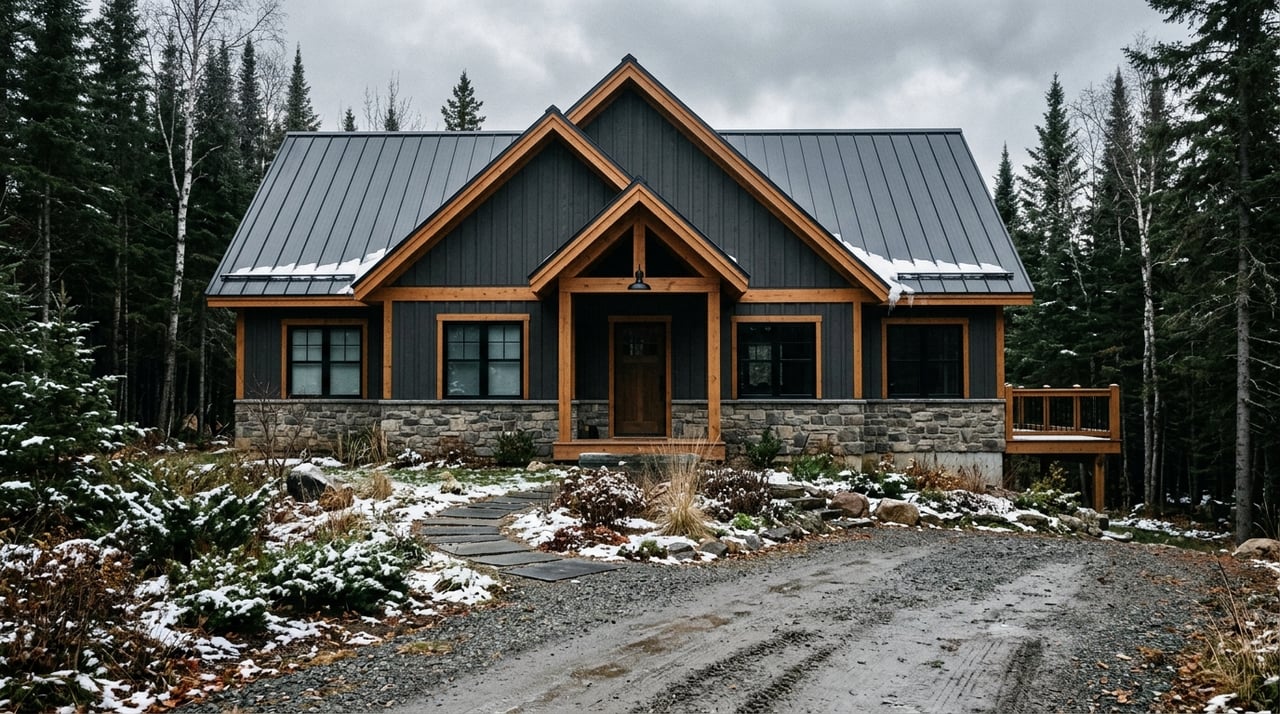
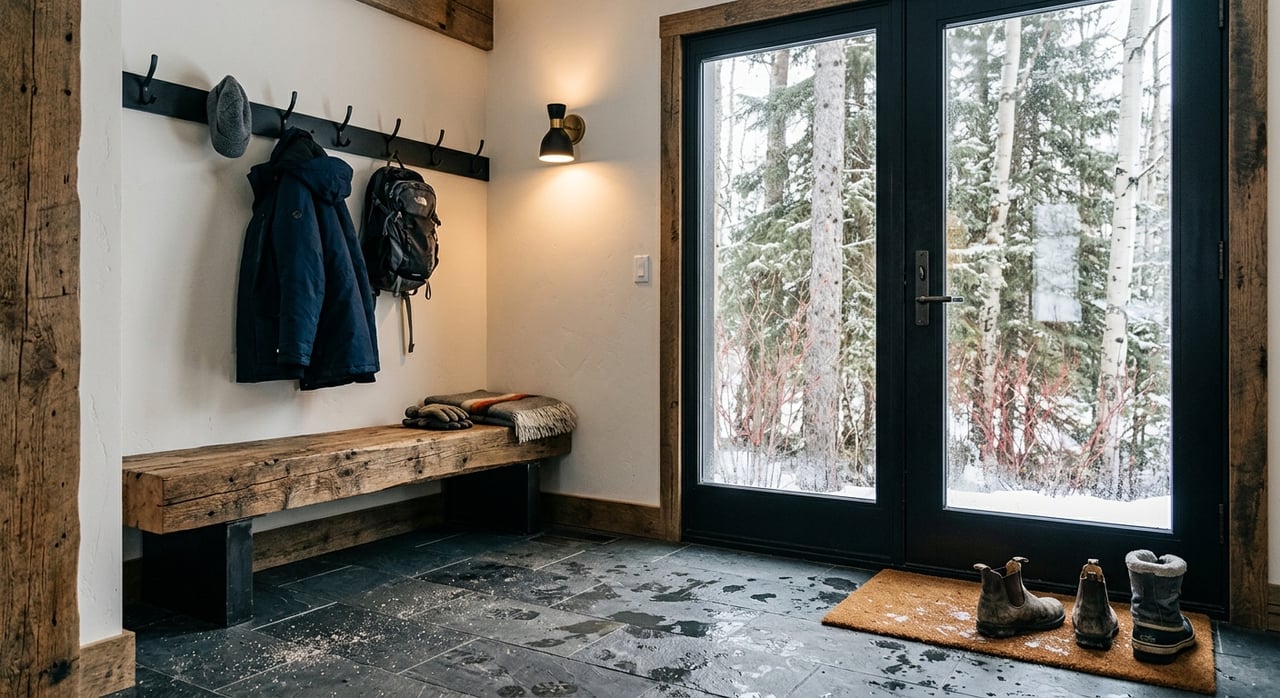
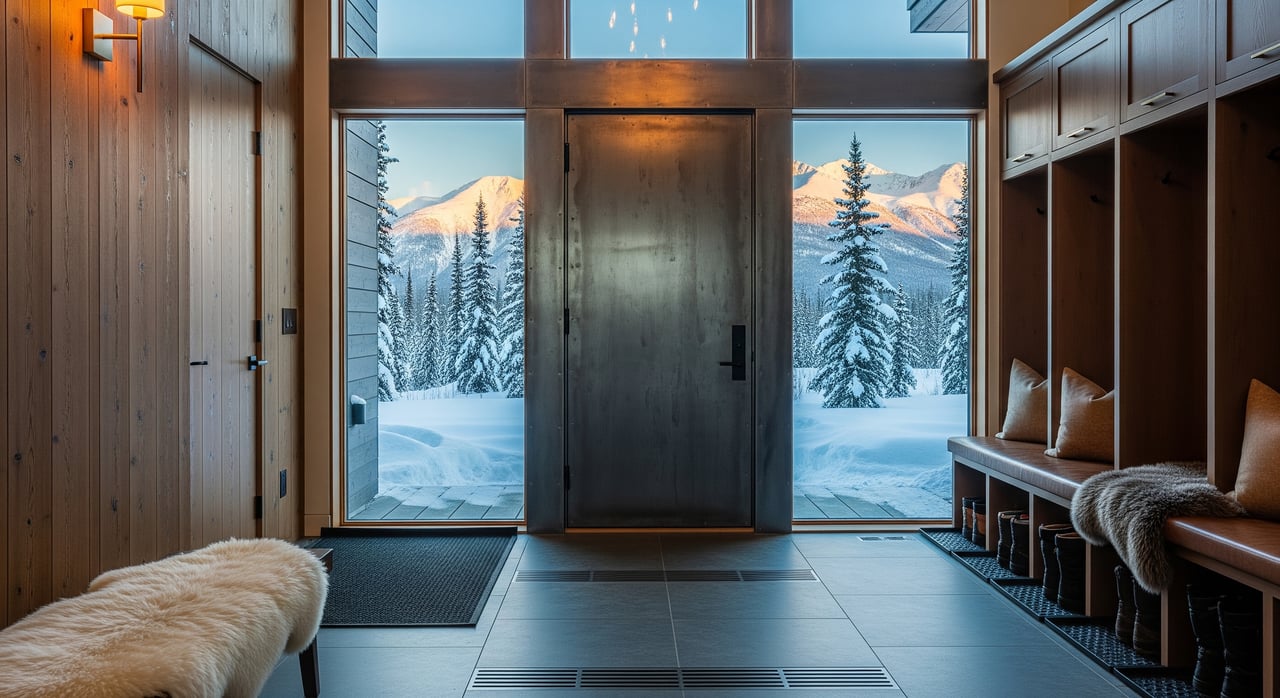
An arctic entry, also called a vestibule or mudroom, acts like a buffer between the outdoors and your living space. It cuts down on cold bursts when you open the door and gives you a place to store wet boots and coats. For buyers in 99654, a well‑designed entry is a visible comfort upgrade and a daily convenience.
You will also see indoor moisture loads improve when wet gear and meltwater stay out of the main living area. That helps protect floors and reduces the chance of condensation on cold interior surfaces.
Design details that matter
- Size and flow: Make sure there is room to close one door before opening the next. Even a narrow single‑person vestibule is useful.
- Door choices: Use an insulated exterior door outside and a tight‑closing interior door to the home. Check thresholds, sweeps, and weatherstripping.
- Flooring and drainage: Choose water‑resistant flooring and consider a slight slope to a drain or a defined transition to protect your main floors.
- Heat and ventilation: Light heat keeps surfaces from getting frosty. Basic ventilation helps dry out gear and prevent stale odors.
Buyer checklist for entries
- Is there an arctic entry? Is it insulated or lightly heated?
- Are there signs of moisture issues, such as stains or frost?
- Do both doors seal well, and is the floor easy to clean and drain?
Windows that work in Mat‑Su
Windows are a weak link in cold climates. Older single‑pane or basic double‑pane units lose heat and can frost up when interior humidity rises. High‑performance glazing improves comfort, reduces condensation, and keeps interior surfaces warmer to the touch.
Triple‑pane benefits
Triple‑pane windows offer lower heat loss than double‑pane, along with better sound control. Low‑emissivity coatings and gas fills boost performance, and warm‑edge spacers reduce interior edge condensation. In climates like 99654, the comfort benefit alone is often noticeable.
When to upgrade vs other fixes
If the home has very old or failing windows, replacement can be a strong selling point. That said, air sealing and attic insulation often deliver faster energy savings per dollar. If you are budgeting, consider sealing and insulation first, then plan for window upgrades where they make the most impact.
Air sealing and insulation
Airtight homes stay warmer with less energy. Air sealing blocks uncontrolled leaks that carry warm, humid air into cold assemblies where it can condense. Insulation slows conductive heat loss and helps keep surfaces comfortable and dry.
Common leak points in 99654 homes
- Attic bypasses at recessed lights, hatches, and chases
- Rim and band joists at floor edges
- Crawlspace and foundation interfaces
- Window and door perimeters
- Wall‑to‑roof and wall‑to‑ceiling transitions
- Plumbing and electrical penetrations
Smart sequence for improvements
- Start with a blower‑door test during the heating season to find leaks.
- Seal attic penetrations, rim joists, and obvious gaps.
- Top up attic insulation to cold‑climate targets where needed.
- Address wall and crawlspace insulation with appropriate vapor control.
- Add mechanical ventilation if the home becomes very tight.
Heating systems in 99654
Heating choices vary across the Mat‑Su. Many homes use oil or propane systems, some use electric resistance, and others rely on hydronic radiant heat, forced‑air gas or propane, or wood and pellet stoves. Cold‑climate air‑source heat pumps are also becoming more common.
Options and tradeoffs
- Oil or propane furnaces and boilers: Proven in deep cold. Fuel price swings and delivery logistics matter.
- Electric resistance: Simple systems but can be costly to run in long winters.
- Hydronic radiant: Even heat and strong comfort when paired with a high‑efficiency boiler.
- Wood or pellet stoves: Lower fuel cost in some areas. Plan for storage, maintenance, and chimney safety.
- Cold‑climate heat pumps: High seasonal efficiency with proper sizing and installation. A backup heat plan is important during extreme cold snaps.
Heat pump notes for Alaska
Modern models can deliver useful heat at very low outdoor temperatures. Performance and savings depend on your home’s envelope, the installer’s design, and local energy rates. If you choose a heat pump, confirm the model’s low‑temperature capacity rating and make sure backup heat is integrated.
Moisture, ventilation, and air quality
In a tight, well‑insulated home, moisture control becomes more important. Bath fans, kitchen exhaust, and balanced ventilation keep indoor humidity in check. If you complete significant air sealing, consider a heat recovery ventilator or energy recovery ventilator to maintain fresh air while limiting heat loss.
Look for signs of moisture such as condensation on windows, staining near entries, or musty odors in crawlspaces. Managing humidity protects finishes and reduces the risk of frost and mold.
Pre‑list prep for sellers
If you are getting a Wasilla‑area home ready for market, focus on upgrades that deliver comfort and signal care to buyers.
- Air sealing and attic insulation: Often the highest ROI for comfort and efficiency.
- Arctic entry tune‑up: Repair weatherstripping, upgrade flooring, and ensure drainage.
- Visible improvements: New high‑performance windows and a modern, efficient heating system attract attention, especially when paired with neat, well‑finished details.
- Documentation: Keep records of energy audits, insulation ratings, window specifications, and service history for heating equipment. Buyers appreciate clarity.
Inspection tips for buyers
When you tour homes in 99654, take a few minutes to check the key cold‑climate details.
- Envelope and entry: Note whether an arctic entry exists and how it is heated and drained. Look for moisture stains or frost.
- Attic and air sealing: Ask about attic insulation depth and whether blower‑door testing has been done.
- Windows and doors: Confirm pane counts, look for fogging between panes, check seals, and ask the install date.
- Heating system: Identify the system type, age, service history, and any backup heat. Confirm carbon monoxide detectors are present.
- Ventilation: Check for bath and kitchen exhaust, and ask if an HRV or ERV serves the home.
Prioritizing improvements
Every home is different, but a practical order usually looks like this:
- Air sealing at attic penetrations, rim joists, and obvious gaps
- Attic insulation upgrades to cold‑climate targets
- Fix wet entry issues and add or tune an arctic entry
- Upgrade to a high‑efficiency heating solution when justified
- Replace older windows with high‑performance triple‑pane units
- Add balanced mechanical ventilation if the home is very tight
This sequence balances comfort, operating costs, and buyer appeal. Visible upgrades like windows and entries can carry marketing value, even if insulation delivers the faster payback.
Maintenance for long‑term performance
- Combustion appliances: Schedule annual service for furnaces, boilers, and chimneys. Test carbon monoxide and smoke alarms.
- Windows: Watch for seal failure and manage humidity to prevent winter condensation.
- Arctic entry: Clear drains, check thresholds and sweeps, and reseal as needed.
- Heat pumps: Replace filters, keep outdoor units free of snow and ice, and verify defrost cycles during cold spells.
- Moisture control: Use fans and balanced ventilation to keep indoor humidity in a healthy range.
Programs and pros to consult
For current incentives and technical guidance, look to statewide and national resources focused on cold‑climate housing. Alaska Housing Finance Corporation, the Cold Climate Housing Research Center, the U.S. Department of Energy, Energy Star, Matanuska Electric Association, and the Alaska Energy Authority regularly share updates on audits, weatherization, and energy‑efficient technologies. Confirm permit needs with the Matanuska‑Susitna Borough before major work.
A home energy audit with a blower‑door test and an infrared scan is a smart first step. For systems, choose an HVAC contractor with cold‑climate heat pump and hydronic experience. For sealing and insulation, work with weatherization professionals familiar with Alaska assemblies.
How we can help
Buying or selling in 99654 is easier when you have local guidance on cold‑weather details. Our team knows what to look for in arctic entries, windows, air sealing, and heating systems, and we can help you prioritize improvements that support comfort and value. If you are relocating, we can coordinate showings, inspections, and the right local pros so you feel confident from offer to closing.
Ready to talk through a plan for your Mat‑Su home? Connect with RE/MAX Dynamic Properties to get clear, local advice and find the REALTOR who fits your goals.
FAQs
What is an arctic entry and why is it useful in 99654?
- It is a small vestibule or mudroom that buffers cold air, controls snow and meltwater at the door, and improves comfort during door openings.
Are triple‑pane windows worth it for Mat‑Su homes?
- Often yes for comfort and condensation control, especially if replacing older single‑ or basic double‑pane units, though sealing and insulation may deliver faster savings.
What upgrades should sellers prioritize before listing in Wasilla?
- Start with air sealing and attic insulation, then tune or add an arctic entry, and consider visible upgrades like modern windows or an efficient heating system.
How do I know if a home is well sealed and insulated?
- Ask for a blower‑door test result, check attic insulation depth, and look for common leak points at hatches, rim joists, and around windows and doors.
Do heat pumps work in Alaska’s cold climate?
- Cold‑climate models can heat efficiently at very low temperatures when properly sized and installed, but a backup heat strategy is still important during extreme cold.