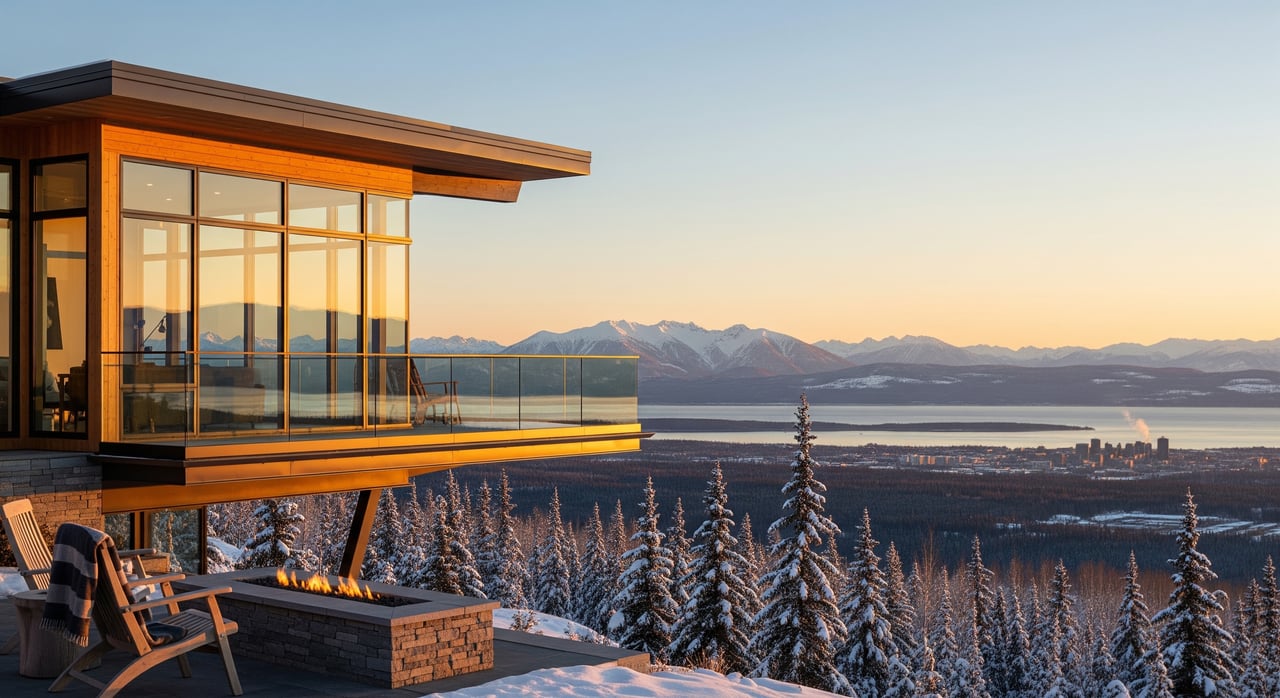
Ever picture stepping onto your deck to watch the sun rise over the Anchorage bowl, then hitting a trailhead five minutes later? If you want a mountainside feel without giving up city access, Mid-Hillside might be a great fit. In this guide, you’ll learn how daily life works on the Hillside, from commutes and winters to housing, utilities, and recreation. You’ll also get a simple checklist to shop smarter. Let’s dive in.
Mid-Hillside location and feel
Mid-Hillside sits on the lower slopes of the Chugach Mountains above the Anchorage bowl. You’re close to Chugach State Park in many places, with Glen Alps and the Flattop Mountain trailhead as familiar landmarks nearby. Streets curve through wooded lots, so the area feels private and green. Compared with Downtown or Midtown, it is less dense, with fewer sidewalks and less transit, but more space and quiet.
Compared with Turnagain and the coastal corridor, Hillside living highlights forested lots and mountain or bowl views. It also gives you faster access to backcountry trails than most neighborhoods. If you like Girdwood’s alpine vibe but want everyday Anchorage convenience, Mid-Hillside splits the difference.
Commute times and access
From many Mid-Hillside addresses, typical drive times are about 10–25 minutes to Downtown and 15–30 minutes to Midtown, UAA, or nearby hospitals. The airport is often 15–30 minutes depending on your exact start point and traffic. Drive times vary by street and elevation, so test your route at the hours you care about.
Public transit serves the Anchorage bowl, but People Mover routes are more limited on the mid and upper Hillside. Most residents rely on a personal vehicle. If you plan to use transit, confirm the closest stop and schedule for your address.
Living with winter
Hillside winters bring more snow and longer snow cover than many lower neighborhoods. Roads range from well-paved streets to steeper residential roads and long driveways. Expect icy patches, frozen ruts, and slower plow cycles on some streets during storms.
Build extra time into winter commutes, keep quality winter tires, and plan for regular snow removal. Certain Chugach slopes include documented avalanche paths. For specific parcels, review municipal hazard overlays and the Hillside District Plan before you buy.
Homes, lots, and design
Lots in Mid-Hillside are often larger and more irregular than city-standard parcels. You will see everything from about 0.2–0.5 acre lots to 1 acre or more in less developed pockets. Many sites are sloped or rocky, which can shape driveway layout, foundation choices, and how a home captures views.
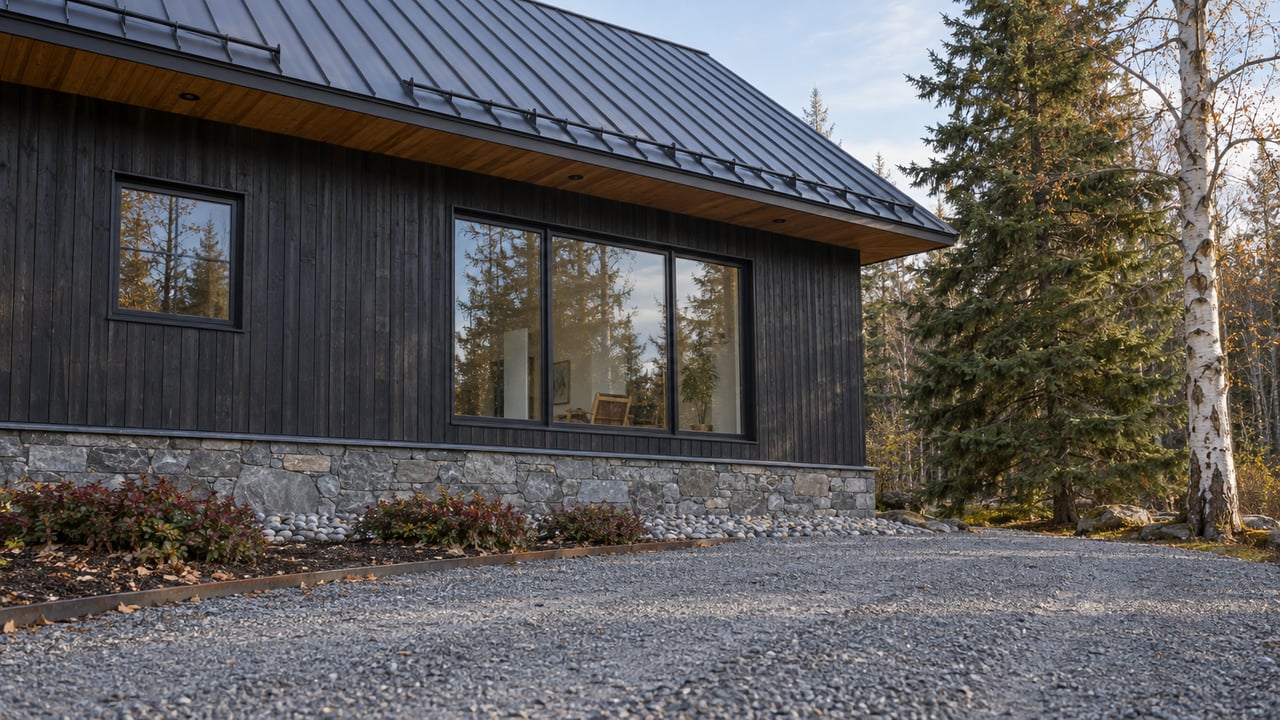
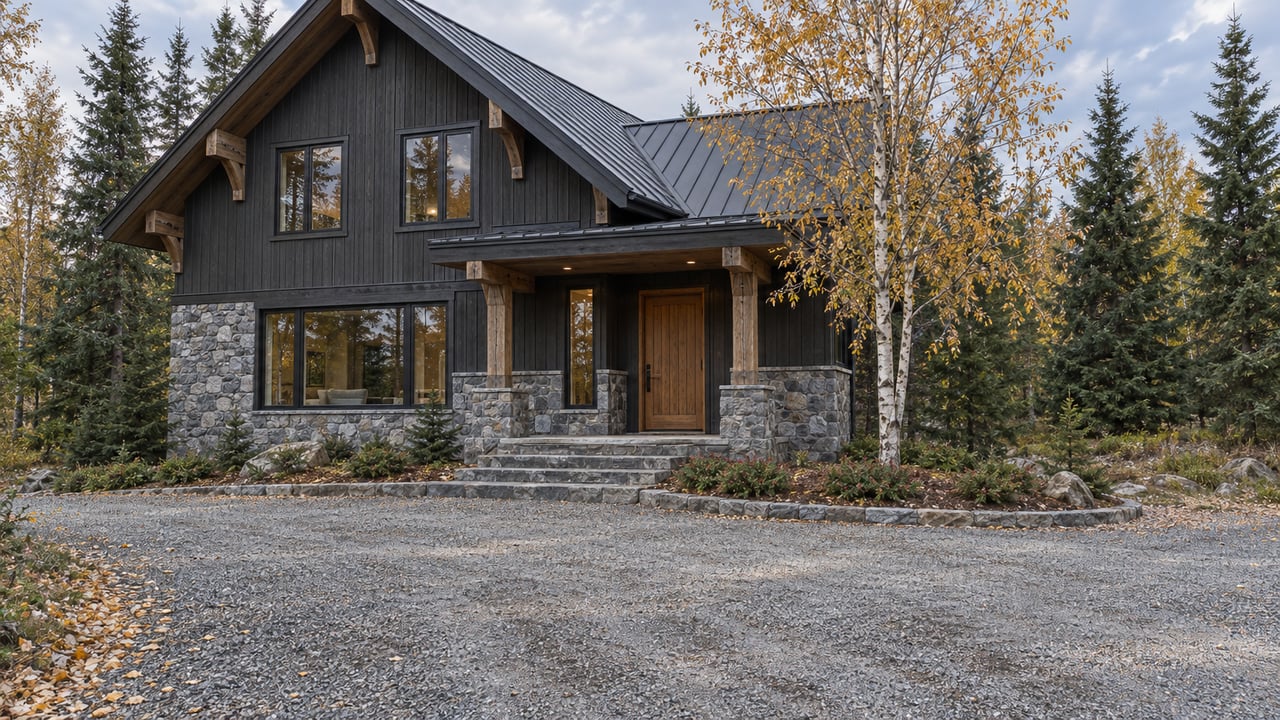
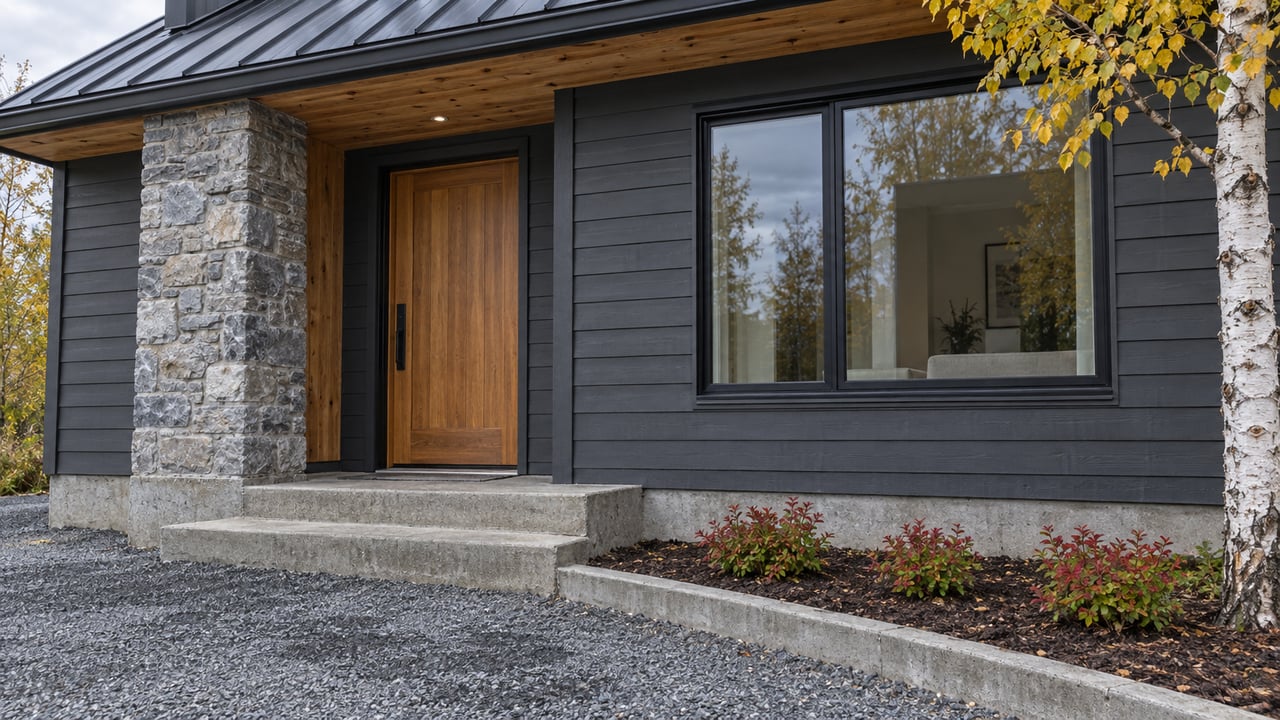
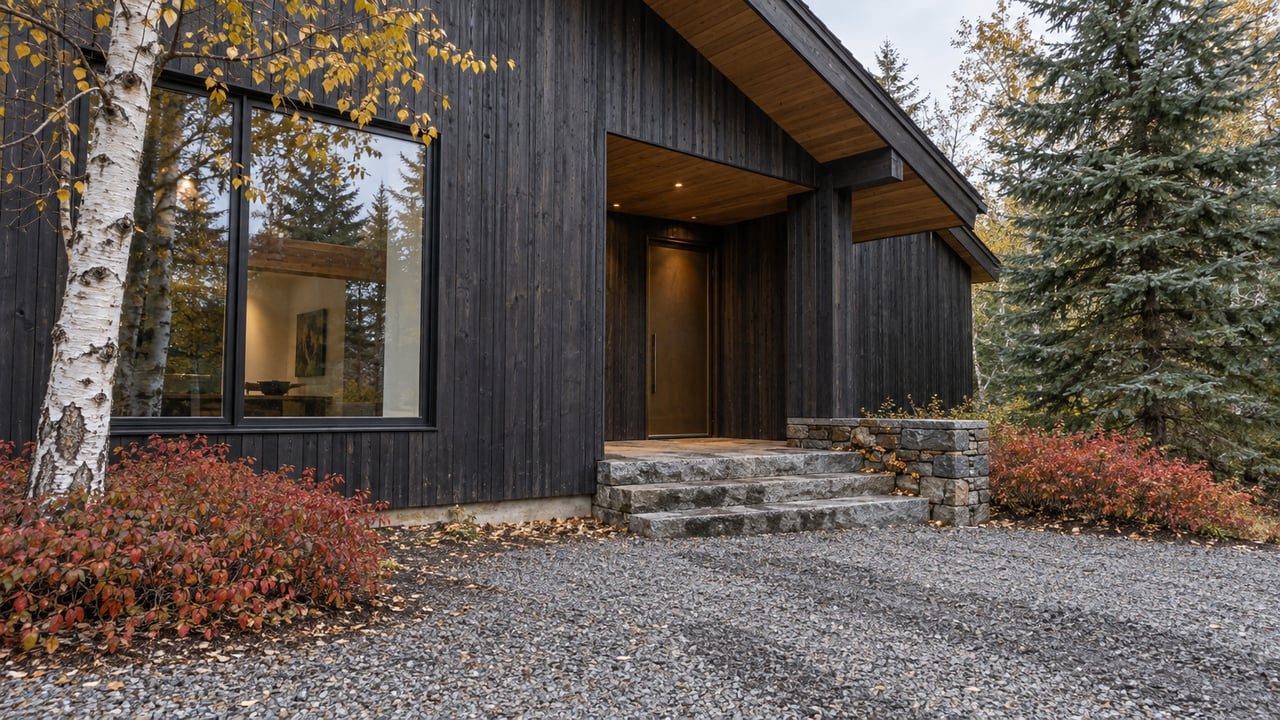
Housing spans older mid-century ranches and split-levels, 1990s–2000s remodels, and newer custom builds. Designs often step with the slope and feature large windows and decks to frame the view. Detached garages and longer driveways are common due to topography.
Maintenance is a factor. Roofs need to manage heavy snow loads. Drainage and gutters should handle freeze–thaw cycles. Retaining walls, heat systems, and insulation deserve close attention. If you plan a new build or major addition, a geotechnical investigation is often recommended for sloped or rocky sites.
Zoning and permitting
Zoning is administered by the Municipality of Anchorage, with residential designations such as R-1A and R-1. The Hillside District Plan provides design and hazard guidance specific to foothill areas. Expect to confirm building permits, verify septic or sewer, and review driveway and stormwater approvals as part of due diligence. If you are evaluating a vacant or steep lot, plan extra time for engineering and permitting steps.
Utilities and connectivity
Developed Mid-Hillside parcels typically connect to municipal water and sewer, but fringe properties may rely on septic or have specialized utility arrangements. Verify the setup for each address and review any septic permits or service records.
Internet and cell coverage is generally available, yet terrain can create dead spots. Confirm speeds and coverage with your provider for the exact address. Police, fire, and ambulance serve the Hillside, though response times can vary by road conditions and location.
Recreation and nature access
Trail access is a signature perk. Glen Alps and the Flattop trail put you at the gateway to Chugach State Park for hiking, trail running, mountain biking, and winter skiing or snowshoeing. Local powerline corridors and neighborhood singletrack add quick outings close to home.
To reach coastal paths like the Tony Knowles Coastal Trail, you will drive down into the flats. Wildlife is part of daily life. Moose, black and brown bears, fox, and raptors are commonly seen. Practice bear-aware habits by securing garbage and pet food, and give moose wide space on roads and in yards.
Views and sunlight
Many Mid-Hillside lots offer sweeping views of the Anchorage bowl, Cook Inlet, and surrounding peaks. Orientation and tree cover drive what you see and how much sun you get. South and west-facing slopes tend to see more sun, while taller trees and terrain can shade yards and delay snow melt.
View permanence is not guaranteed. Future infill and natural tree growth can change sightlines. Review plat notes, covenants, and any view easements, and consider a vegetation plan for long-term view management.
Family logistics and schools
Hillside addresses are served by the Anchorage School District. Specific school assignments depend on your parcel. Verify attendance boundaries and bussing eligibility for your address before you decide.
Daycare and extracurricular options mirror citywide choices, though you may find fewer programs located right on the Hillside than in denser areas. Plan pick-up routes and timing with winter conditions in mind.
Cost and market signals
Hillside property often commands a price premium for larger lots, views, and direct park access compared with typical flat-lot homes. Prices shift with season, inventory, and the exact micro-location. For a clear snapshot, review recent comparable sales and active listings in Mid-Hillside and adjacent corridors.
If you are shopping in a tight window or considering a view property, be ready to move decisively once you find the right fit.
Buyer due diligence checklist
Use this quick list to evaluate any Mid-Hillside property:
- Confirm parcel map, exact address, and zoning classification.
- Verify utility hookups: municipal water and sewer, or septic permits and service records if applicable.
- Check electrical service capacity and metering.
- Review driveway grade, plowing responsibility, right-of-way, easements, and any road maintenance agreements.
- Pull municipal hazard overlays for avalanche or landslide risk; confirm proximity to Chugach State Park boundaries and any flood maps.
- Order a geotechnical or soils report for steep or rocky lots, or if planning a significant addition.
- Inspect drainage, gutters, retaining walls, and roof condition for snow and ice loads.
- Validate internet and cell coverage with providers for the specific address.
- Discuss wildlife safety and garbage storage options suitable for the site.
- Evaluate view permanence, vegetation management, and any recorded view easements.
Is Mid-Hillside right for you?
Choose Mid-Hillside if you want privacy, quick trail access, and wide views, and you are comfortable with winter driving and regular snow management. You will trade some transit and sidewalk convenience for a peaceful, wooded setting near Chugach State Park. With the right preparation, the lifestyle feels both wild and connected.
If you want a local guide to match your goals, connect with a team that knows each street and microclimate. When you are ready, talk with RE/MAX Dynamic Properties for neighborhood insight, on-the-ground touring, and a smooth purchase or sale.
FAQs
What are typical commute times from Mid-Hillside to Downtown Anchorage?
- In normal conditions, many addresses see about 10–25 minutes by car. Winter storms or icy roads can add time, so plan buffer on storm days.
How does winter driving differ on the Hillside compared with lower neighborhoods?
- Expect steeper grades, more persistent snow, and occasional frozen ruts. Good winter tires and a snow removal plan are essential for safe daily travel.
What utilities are common on Mid-Hillside properties?
- Many developed parcels connect to municipal water and sewer, but some fringe lots use septic. Always verify hookups and permits for the specific address.
How do I confirm which public schools serve a Mid-Hillside address?
- Use the Anchorage School District’s boundary lookup and school profiles to confirm assignments and bussing eligibility for the exact parcel.
Are there avalanche hazards near Mid-Hillside homes?
- Certain slopes include documented avalanche paths. Review municipal hazard maps and the Hillside District Plan for parcel-specific risk and guidance.
What internet and cell coverage should I expect in Mid-Hillside?
- Coverage is generally available, but terrain can create dead spots. Check providers for speed and coverage specifics at the property address.
What types of homes and lot sizes are common in Mid-Hillside?
- You will find mid-century ranches, split-levels, remodels, and newer custom builds on larger, often sloped lots ranging from about 0.2–0.5 acre to 1 acre or more.