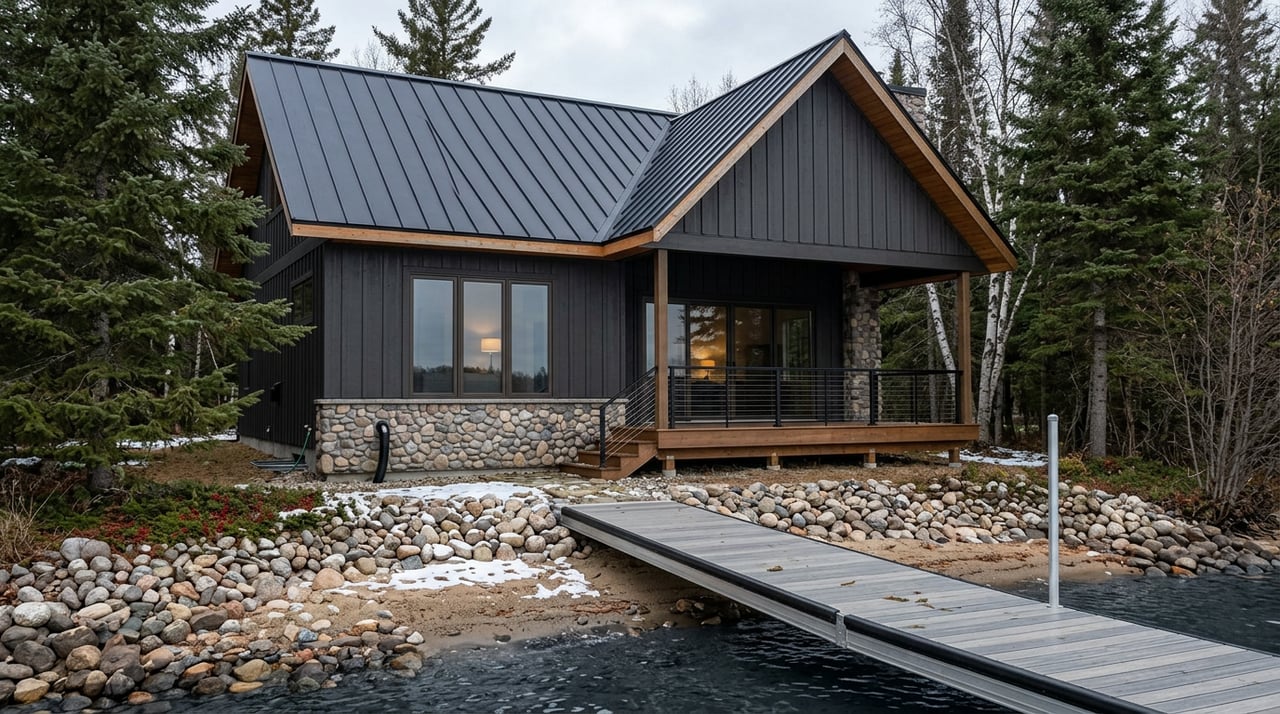
Is a weekend-ready cabin or a true lakefront retreat at Big Lake on your mind? You are not alone. With easy Parks Highway access and year-round recreation, this Mat-Su hot spot is a natural fit for second homes and investment cabins. In this guide, you will learn how to vet docks and water access, confirm utilities and septic, plan for winter roads, and navigate short-term rental rules so you can buy with confidence. Let’s dive in.
Why Big Lake works
Big Lake sits just off the Parks Highway with public recreation sites, boat launches, and winter trail access that keep it active in all seasons. State Parks manages multiple sites and publishes driving directions and seasonal rules for launches and parking. You can explore those details on the Big Lake recreation site pages from Alaska State Parks for useful context and access points (Big Lake North recreation site).
Expect heavier use in summer for boating and paddling, and active winter traffic for ice access and trails. That mix is part of Big Lake’s charm and also a cue to check how your specific road, shoreline, and moorage plans align with state rules and local maintenance.
Water access, docks, and moorage
Owning waterfront upland does not automatically grant you the right to build any dock or buoy you want. Two state authorities commonly apply to projects at the waterline and below:
- State shoreland and submerged land: The Alaska DNR Division of Mining, Land and Water handles authorizations on state-owned shorelands and submerged lands. DNR guidance notes that residential docks adjacent to privately owned uplands do not always require a DNR permit, but commercial use or structures on state bedlands typically do. Always verify the upland boundary and the state bedland line for your parcel (DNR MLW permitting).
- Fish and habitat: The Alaska Department of Fish and Game may require a Fish Habitat Permit for docks, ramps, or other in-water work that could affect fish habitat. Their application pages explain when permits apply and how to coordinate with other agencies (ADF&G docks and ramps permits).
Public launches provide access for everyone. State recreation sites on Big Lake include boat launches and parking, and they publish seasonal use rules. If you plan to host guests or run a rental, confirm which public launch is closest and whether overnight parking is allowed (Big Lake recreation sites).
Smart steps before you buy
- Get the plat and survey. Ask for a current plat showing upland boundaries and projected sidelines to the water. Verify where a future dock or buoy would sit relative to the state bedlands line.
- Verify “private” access claims. If a listing mentions a private beach or access, ask for recorded easements. Check for any public access easements that cross the shoreline.
- Call DNR and ADF&G early. If you want to add or modify a dock or buoy, contact ADF&G Habitat and DNR MLW to learn what permits or authorizations are needed and whether public notice is likely. Starting early avoids costly do-overs.
- Follow clean boating guidance. State agencies publish best practices for fuel handling, noise, and waste at high-use lakes. Review Alaska DEC’s Big Lake clean boating guide so your plans align with local stewardship expectations (Big Lake clean boating guidance).
Utilities, water, and septic
Rural lakefront often means a mix of utility options. Confirm the setup on the property you are considering and plan for maintenance.
Electricity and heating fuel
- Electricity: The Matanuska Electric Association serves the Big Lake area. Many lots near public roads and subdivisions have service at the road, but you should confirm the status at the lot line and any extension costs with the provider (MEA service information).
- Fuel: Some subdivisions may have piped natural gas, but many cabins rely on propane, fuel oil, wood stoves, or electric heat. If there is no gas line, plan for a bulk propane tank and regular deliveries.
Water and wastewater
- Private wells are common. Ask for well logs and recent water test results. If none are available, include a well inspection in your offer.
- Onsite septic systems are standard. Alaska DEC regulates onsite sewage systems. Review available septic design documents, permits, and pumping records. If documents are missing, add a septic inspection and test pits to your contingency plan. Many lenders require a well and septic certification for rural loans.
Roads and winter access
Road maintenance varies by street and by season in Big Lake. Many roads fall within Matanuska-Susitna Borough Road Service Area 21, which covers construction and maintenance for designated roads. Other roads are private and maintained by an HOA or by owners. Confirm who maintains your target road and how winter plowing is handled with the RSA resources and seller disclosures (MSB RSA 21 information).
If you plan to use the cabin year-round, review the driveway grade, snow storage area, and turnarounds for winter equipment. Reliable emergency vehicle access matters, especially during freeze-thaw cycles and heavy snow.
Winterization and building basics
Cold climate details make a major difference in comfort and maintenance cost.
- Foundations and frost: Look for proper frost protection and footings designed for local freeze conditions. Confirm whether additions, sheds, or other structures have permits and final inspections on file where applicable.
- Plumbing and heat: Insulated piping, protected mechanical rooms, and a dependable primary heat source are important. If you plan to leave the cabin vacant in winter, consider standby heat or remote sensors to reduce frozen-pipe risk.
- Insurance considerations: Lakefront cabins can carry higher premiums due to exposure and vacancy periods. Ask your carrier about any requirements for monitored power or heat sensors.
Pre-purchase inspections
- Hire an inspector experienced with Alaska’s cold climate.
- Add contingencies for the heating system, well testing, and septic inspection.
- If docks, floats, or shoreline structures are present, verify their status with DNR, ADF&G, and the borough before closing (DNR MLW permitting).
Short-term rentals and taxes
If you are considering a vacation rental, take time to understand local rules and costs.
- Borough bed tax: The Matanuska-Susitna Borough levies a 5 percent lodging tax on short stays. Hosts must register and remit quarterly using borough forms and schedules (MSB bed tax details).
- Permits and zoning: Registration may be required, and specific zoning districts can have additional limits on occupancy or parking. Contact the MSB planning and finance offices to confirm steps for your parcel.
- Seasonality: Expect strong summer demand and quieter shoulder seasons. Budget for winter heating, driveway plowing, septic capacity checks, and a reliable local contact to support guests.
Pre-offer checklist
Use this quick list to organize your due diligence. Add items to your offer as needed.
- Parcel and title: Review the recorded plat, upland and riparian boundaries, and any public access easements along the shoreline.
- Utilities: Confirm MEA availability at the lot line and whether natural gas or propane delivery serves the area (MEA service information).
- Well and septic: Request well logs, water test results, septic design and permits, and pumping history. Add inspection contingencies if records are missing.
- Docks and moorage: For any existing or planned dock or buoy, check with DNR MLW and ADF&G about required authorizations and fish habitat permits (DNR MLW permitting, ADF&G docks and ramps permits).
- Road access: Verify whether the road is borough maintained within RSA 21 or private, and who plows in winter (MSB RSA 21 information).
- STR and taxes: If renting, register and plan to remit the 5 percent MSB bed tax. Confirm any zoning and parking requirements for your specific parcel (MSB bed tax details).
- Inspections: Schedule a home inspection, heating system check, and well and septic evaluations. For shoreline structures, confirm permits and condition.
Your next step
Buying at Big Lake is about more than a great view. When you confirm water access, utilities, winter roads, and rental rules upfront, you avoid surprises and protect your investment. If you want a local guide who knows the details and can coordinate the right inspectors and contacts, our team is ready to help.
Connect with RE/MAX Dynamic Properties to talk through your goals and get a step-by-step plan for your Big Lake purchase.
FAQs
What should I verify about a Big Lake dock before buying?
- Confirm if the structure sits on state-owned submerged lands and whether it needs a DNR authorization, and ask ADF&G if a Fish Habitat Permit applies for any in-water work.
Are there public launches I can use on Big Lake?
- Yes. Alaska State Parks operates Big Lake recreation sites with boat launches and parking. Review seasonal rules and parking details on the State Parks page.
How do I confirm winter road maintenance for a cabin?
- Check if your road falls within MSB Road Service Area 21, or if it is privately maintained by an HOA or owners, and verify who handles plowing and sanding.
What utilities are typical for Big Lake cabins?
- Electricity is commonly available from MEA along many roads, while heat is often propane, fuel oil, wood, or electric; private wells and onsite septic systems are standard for water and wastewater.
What taxes apply if I operate a short-term rental?
- The Matanuska-Susitna Borough requires hosts to register and remit a 5 percent lodging tax on short stays, typically filed quarterly using borough forms.